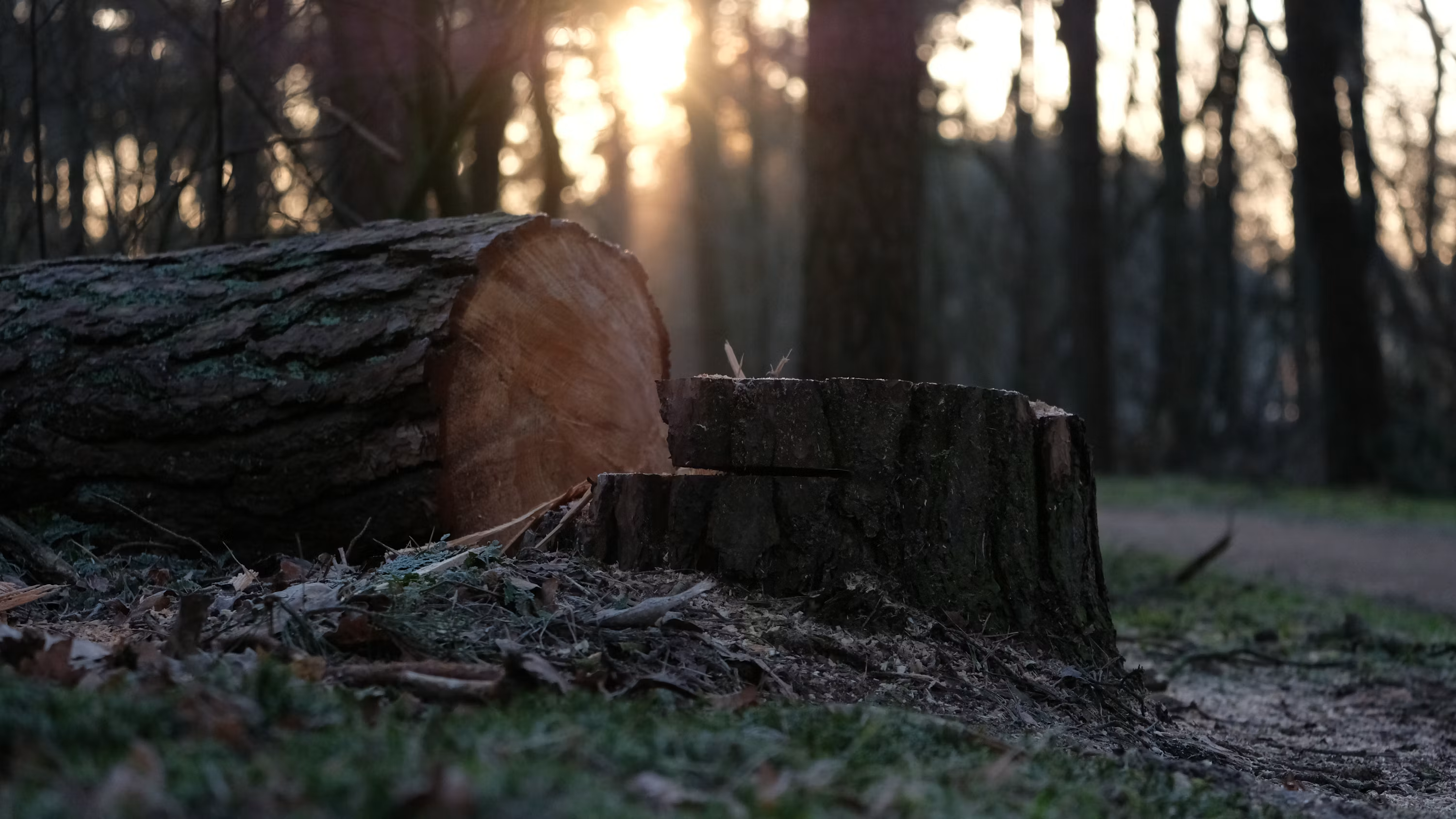
Save Doon -a citizen awareness campaign
We are the last generation that remembers the real Dehradun.
Tree-lined roads, clean air, rivers, and forests shaped this valley for generations. Today, rapid urbanization, large-scale tree loss, and climate change are changing the city faster than most people realize.
Why this exists
The Doon Project is a citizen-led initiative dedicated to documenting environmental changes in Dehradun using facts, scientific evidence, and public data.
We are not against development.
We believe development should be transparent, scientifically informed, and environmentally responsible.
The numbers
What the public record shows.
Every number on this page links to its original government report or research source. Note: compensatory plantation -around 1.76 lakh saplings planned for the expressway section -is not equivalent to the mature trees removed.
What we're losing
The same valley, a generation apart.
Dehradun's transformation captured in motion — from forest edges to dense urban sprawl.
The question isn't whether cities should grow. The question is whether they can grow without losing the landscapes that define them.
Development needs accountability
Better development starts with better questions.
- 01
Why is this project necessary?
- 02
Were alternatives evaluated?
- 03
How many mature trees are affected?
- 04
What environmental assessment was completed?
- 05
How will compensatory plantation be monitored?
- 06
Can citizens access this information?
Timeline of Uttarakhand
A decade the mountains remember.
Climate change, rapid urbanization, and fragile geology raise risk together. These are the events that shaped the last decade.
- 2013Kedarnath disaster
≈5,700 dead or missing
- Cause
- Cloudburst and glacial-lake overflow after record rainfall
- Rainfall
- Record June rainfall over the upper Mandakini basin
- Economic loss
- Among India's costliest natural disasters
- Lesson learned
- Construction on floodplains and fragile slopes magnified the human toll.
- 2021Chamoli flash flood (February)
≈204 dead or missing
- Cause
- Rock-and-ice avalanche triggering a flash flood in the Rishiganga
- Rainfall
- Not rainfall-driven -a high-mountain slope failure
- Economic loss
- Two hydropower projects severely damaged
- Lesson learned
- Energy and infrastructure built in high-hazard terrain carry real risk.
- 2021Extreme rainfall (October)
≈79 deaths
- Cause
- Unseasonal extreme rainfall from a monsoon–western-disturbance clash
- Rainfall
- Record October daily rainfall totals
- Economic loss
- Widespread crop and infrastructure damage
- Lesson learned
- Extreme rain is no longer confined to the monsoon window.
- 2023Monsoon season
Nearly 100 lives lost statewide
- Cause
- Landslides and flooding through the monsoon
- Rainfall
- Repeated heavy-rainfall spells
- Economic loss
- Extensive damage to roads and bridges
- Lesson learned
- Slope failures track the expanding road network.
- 2024Monsoon floods
110 casualties (82 dead, 28 missing)
- Cause
- Monsoon flooding and landslides
- Rainfall
- Above-normal monsoon intensity
- Economic loss
- Damage across hill districts
- Lesson learned
- The annual toll is trending upward, not down.
- 2025Uttarkashi / Dharali flash flood
At least 61 confirmed, 84+ missing
- Cause
- Flash flood at Dharali following intense rainfall
- Rainfall
- Sudden high-intensity rainfall
- Economic loss
- Assessment ongoing
- Lesson learned
- Settlements in flood paths remain acutely exposed.
What's happening
Citizen evidence in action.
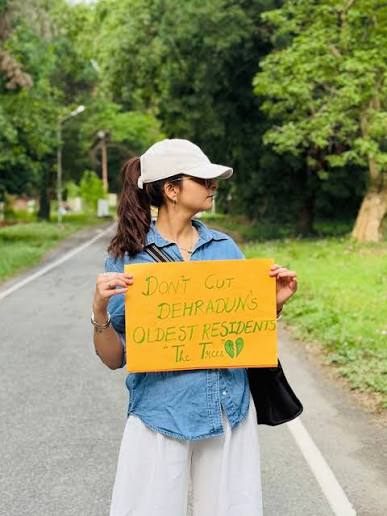
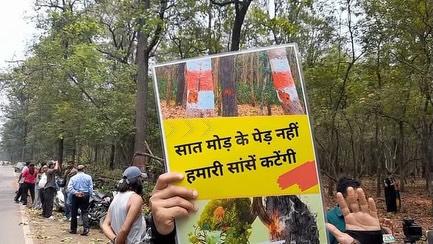
What you can do
Small, steady, evidence-led.
- Learn the facts
- Share this website
- Report illegal tree cutting
- Participate in local environmental discussions
- Support native tree plantation
- Ask questions backed by evidence
Have photos, footage, or documentation? Add it to the record — every submission is reviewed before it is published.